Reinventing the Game: Magic Johnson’s Rise From NBA Icon to Business Mogul

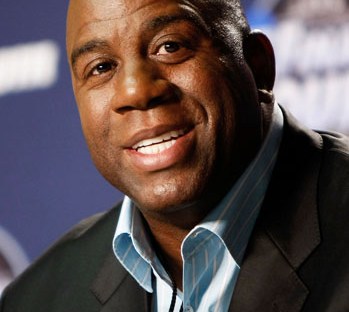
When most athletes retire, the biggest question is, “What’s next?” For Earvin “Magic” Johnson, the answer was never simply to fade into the background. Johnson transformed his legendary basketball career into a springboard for an even more remarkable journey in business. Today, he is celebrated not only as one of the greatest point guards in NBA history but also as one of the most successful entrepreneurs and investors of his generation.

From Showtime to Show Business

Magic Johnson was the engine of the Los Angeles Lakers’ “Showtime” era, dazzling fans in the 1980s with his unique blend of size, skill, and charisma. Over his 13-year career, he won five NBA championships, earned three MVP awards, and elevated the Lakers into a global brand. His ability to orchestrate plays and bring out the best in teammates was unmatched.

But while many athletes focus exclusively on the game, Johnson was thinking ahead. Even during his playing days, he paid attention to business opportunities, forming relationships with leaders in entertainment, hospitality, and finance. His natural leadership qualities and vision, once confined to the basketball court, would become the foundation for his next act.

Building an Empire: Magic Johnson Enterprises

In 1987, Johnson founded Magic Johnson Enterprises (MJE), a conglomerate that today is valued at over $1 billion. Rather than chase after flashy ventures, Johnson chose to invest in underserved urban communities. His philosophy was simple but groundbreaking: bring first-class products, services, and experiences to markets that had been historically overlooked.

One of his earliest major moves was partnering with Starbucks CEO Howard Schultz to open stores in inner-city neighborhoods. Skeptics doubted that Starbucks could succeed outside of affluent areas, but Johnson proved them wrong. His locations thrived, showing that residents in these communities were not only eager customers but loyal ones.

He replicated this model with Magic Johnson Theatres, which provided modern, safe, and upscale entertainment venues in areas where investment had long been scarce. These ventures demonstrated Johnson’s unique ability to merge profitability with social impact.

Expanding Into Sports Ownership

Johnson’s business portfolio didn’t stop with coffee and cinemas. He became a trailblazer in sports ownership, entering territories that few former athletes had touched. He is now part-owner of:

  • Los Angeles Dodgers (MLB) – Since 2012, Johnson has been part of the ownership group that revitalized one of baseball’s most storied franchises, guiding them to consistent playoff appearances and a World Series title in 2020.
  • Los Angeles Sparks (WNBA) – His investment in women’s sports underscored his commitment to inclusivity and growth in all corners of athletics.
  • Los Angeles Football Club (MLS) – As a founding investor, Johnson helped launch one of Major League Soccer’s most exciting new franchises.
  • Washington Commanders (NFL) – In 2023, Johnson joined the ownership group of the Commanders, making him one of the few individuals to hold stakes across four major U.S. sports leagues.

These ventures showcase his versatility and cement his influence across the entire sports landscape.

Diversifying the Portfolio

Beyond sports, Johnson has invested in real estate development, health care, technology, and media. His partnerships have included collaborations with Sony Pictures, investment firms, and urban development projects. Each move reflects a strategic blend of business savvy and community focus, reinforcing his reputation as more than a celebrity investor.

The Magic Formula for Success

So what explains Johnson’s seamless transition from athlete to mogul? The answer lies in the same traits that defined him as a player:

  • Vision – Just as he could see plays developing before anyone else on the court, he anticipated opportunities in markets others ignored.
  • Leadership – Johnson inspires confidence, whether he’s leading a fast break or a boardroom discussion.
  • Teamwork – He surrounds himself with skilled advisors and partners, understanding that collective success outweighs individual gain.
  • Charisma and Authenticity – Johnson’s natural charisma has allowed him to build trust with business leaders, politicians, and everyday people alike.

A Legacy Beyond Wealth

Perhaps the most remarkable part of Johnson’s business career is his emphasis on impact. He has created jobs, revitalized communities, and inspired countless athletes to view themselves as more than just entertainers. He has proven that the transition from sports to business can be more than a personal success—it can set a precedent for generations to follow.

The Game Never Ends

Magic Johnson’s life story is a testament to adaptability and vision. His greatest assists may not have been to Kareem Abdul-Jabbar or James Worthy, but to communities that gained opportunities through his investments and to athletes who now see a blueprint for life after sports.

From the hardwood of the Forum to the boardrooms of billion-dollar enterprises, Johnson has shown that the Magic Touch isn’t just about winning games—it’s about creating lasting value, influence, and change.

Shilo Sanders Cut by Buccaneers: One Punch, Big Consequences

The Tampa Bay Buccaneers didn’t waste time. Just a day after rookie safety Shilo Sanders was ejected from a preseason game for throwing a punch, the team waived him. Head coach Todd Bowles didn’t sugarcoat it—calling the act “inexcusable.”

For Sanders, the timing couldn’t have been worse. The 25-year-old, son of Hall of Famer Deion Sanders, was already fighting for a roster spot as an undrafted free agent. He showed flashes in preseason, making tackles and playing with energy, but he was stuck behind Antoine Winfield Jr. and other veterans. In short—he needed to be perfect.

Instead, a single moment may have defined his rookie year.

More Than Football

The stakes for Shilo go far beyond the field. He’s facing an $11.9 million judgment tied to a past lawsuit, along with bankruptcy proceedings. Making an NFL roster isn’t just a dream—it’s his clearest path to stability.

Still, all hope isn’t lost. Reports suggest Tampa Bay liked his presence and could bring him back on the practice squad if he clears waivers. His agents, Drew Rosenhaus and Robert Bailey, are also pushing for another team to take a chance.

My Take

Did the Buccaneers overreact? Maybe. Rookies make mistakes, and plenty of NFL players have survived worse. But in today’s league—where discipline and roster spots are razor thin—Shilo couldn’t afford even one slip.

Now his career hangs in the balance.

What do you think? Should the Bucs have cut him after one mistake, or does Sanders deserve another shot to prove himself?

BIG3 Basketball: More Than a Sideshow?

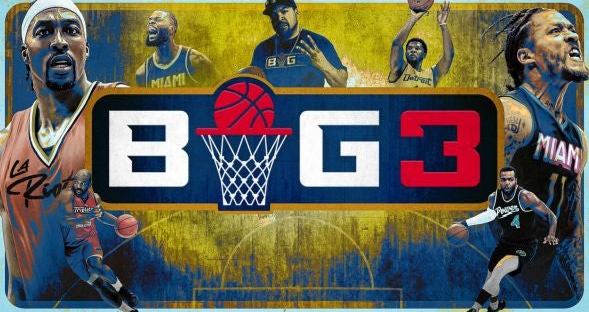
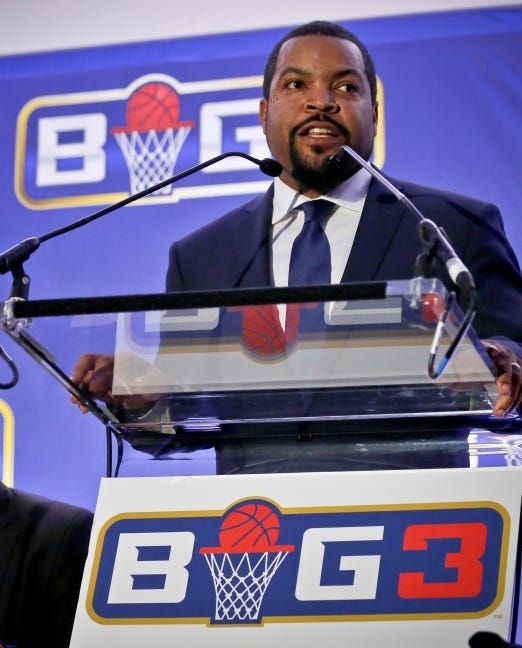
As the BIG3 season draws to a close, I started to wonder how others feel about the league. Admittedly, I have been much more interested this year than in any year since the inaugural season. Highlights and headlines featuring BIG3 content has crept into my feeds on Google and social media. I feel like I’m back in 2016 seeing names like Joe Johnson, Lance Stephenson, Micheal Beasley, and Dwight Howard prominently featured. I’m not convinced that I enjoy the BIG3, but I’m intrigued. How do you feel about it?

When Ice Cube first announced the BIG3 back in 2017, the idea sounded like a novelty—retired NBA players, half-court basketball, and a four-point shot that looked more like something from a video game than professional play. But nearly a decade later, the league is still standing, ratings are climbing, and it’s forcing basketball fans to ask: is the BIG3 a gimmick, or is it carving out a legitimate space in the sport?


Quality of Play: Nostalgia Meets Strategy

The BIG3 is not the NBA, and it doesn’t try to be. What it does offer is a different lens on basketball—a game distilled to its essence. No transition dunks or 94-foot sprints, but instead, half-court matchups where every possession is a battle of skill and positioning.

Some critics dismiss the play as “old men’s basketball,” but that underestimates the intensity. The shorter shot clock and smaller format strip away wasted motion. This is basketball where a single misstep means giving up a bucket. For purists, it’s a reminder that half-court play has always been the true test of basketball IQ.


The TV Product: Compact and Consumable

Half-court basketball looks different on television, and that’s part of the appeal. The camera never has to chase end-to-end action. The game feels tighter, quicker, and more digestible. A single broadcast can package multiple games, offering variety that the NBA’s longer, drawn-out contests don’t.

Of course, not everyone is sold. Fans raised on LeBron chase-down blocks or Ja Morant fast breaks might find the product less electrifying. But for casual viewers—or for those craving summer hoops when the NBA is dormant—the BIG3 provides a compact, action-heavy alternative. The rising ratings on CBS suggest it’s not just a niche curiosity anymore.


For Retired Players: A Lifeline in the Spotlight

Where the BIG3 has its greatest impact is off the stat sheet. Retirement is cruel to athletes. One day you’re in the spotlight; the next, you’re forgotten. The BIG3 offers a second act.

For some, like Joe Johnson, it was a platform to prove he still belonged in the NBA. For others, it’s a paycheck, a chance to stay in shape, and most importantly, a way to keep that competitive fire burning. Beyond the court, the league has even invested in programs to support players with health, business, and career transitions—an acknowledgment of how hard life after the NBA can be.

In this way, the BIG3 isn’t just a league. It’s a rehabilitation center for careers, reputations, and identities.


The Bigger Question

So, where does the BIG3 fit? It will never rival the NBA in scale or spectacle. But maybe it doesn’t need to. Its value lies in being different: a laboratory for rule changes, a made-for-TV summer product, and a platform for players who refuse to fade into obscurity.

What started as a novelty has evolved into something else—a reminder that basketball doesn’t need to look like the NBA to matter. The BIG3 isn’t replacing the sport we know, but it’s reshaping how we think about its possibilities.


Do you think the BIG3 has the staying power to become a permanent fixture in basketball, or will it always be seen as a sideshow to the NBA?

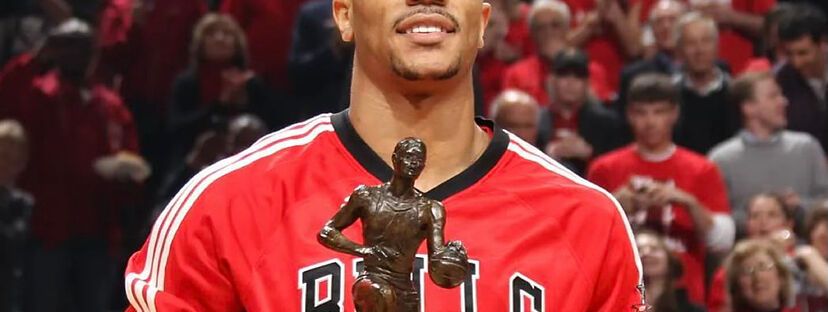
Derrick Rose’s Jersey Retirement: Greatness Honored or Legacy Rewarded?

News that Derrick Rose’s jersey will be retired has stirred a mix of emotions across the basketball world. For many fans, it’s a moment of celebration—an acknowledgment of one of the most electrifying talents of his era. For others, it raises questions about what truly merits the ultimate honor of jersey retirement.

Rose’s story is one of both brilliance and heartbreak. He became the youngest MVP in NBA history, a hometown hero who carried Chicago on his shoulders and gave the Bulls new life after the Jordan era. His explosive drives, fearless playmaking, and competitive fire were unforgettable. But injuries altered his trajectory, leaving some to wonder: does a shortened peak still justify a retired number?

The Prestige of a Retired Jersey

Across sports, jersey retirement isn’t just about stats—it’s about impact. When a number is raised to the rafters, it means the player’s presence changed the franchise forever. Their legacy is deemed untouchable, their number never to be worn again.

Legends like Michael Jordan, Kobe Bryant, Larry Bird, and Tim Duncan received the honor because their excellence stretched across both individual dominance and championship glory. In that sense, Rose’s case is unique. He never won a championship, and his prime was brief. Yet, his cultural impact in Chicago and beyond was undeniable. He became a symbol of resilience, of what it means to fight back, and of the hope a single player can give a city.

The Debate

Some fans argue that Rose deserves it without question—his MVP season, his loyalty to the Bulls, and the way he reignited a franchise justify the honor. Others believe jersey retirement should be reserved for players with sustained excellence or championships, pointing out that there are legends with longer, more decorated careers who never received the same recognition.

This tension makes Rose’s jersey retirement especially compelling. Is it purely about performance, or is it about meaning? Can one unforgettable peak and a lasting bond with fans outweigh the lack of a ring?

The Economic Impact of Sports in the United States

Sports occupy a central place in American culture, but their influence extends far beyond entertainment. The sports industry represents a significant driver of economic activity, contributing to gross domestic product (GDP), generating employment, stimulating tourism, and fostering infrastructure development. From professional leagues to collegiate athletics and emerging sectors such as esports and legalized sports betting, the economic effects of sports in the United States are substantial and multifaceted.

Industry Size and Direct Revenue Generation

The U.S. sports industry is estimated to be worth over $500 billion annually, positioning it as one of the largest sectors within the entertainment economy (PwC, 2021). Revenues are derived from diverse sources, including ticket sales, broadcasting rights, corporate sponsorships, merchandising, and related tourism expenditures. Major events illustrate the magnitude of these effects. For instance, the Super Bowl alone has been estimated to contribute $300–500 million in direct spending to its host city, largely through visitor spending on hotels, restaurants, and transportation (Fort & Winfree, 2013; Matheson & Baade, 2016). Similarly, the NCAA’s March Madness tournament consistently generates billions in media and advertising revenue (NCAA, 2023).

Employment and Labor Market Contributions

Sports support employment across numerous sectors of the economy. While professional athletes represent the most visible labor force, the industry encompasses coaches, referees, athletic trainers, event staff, marketers, media professionals, and facility operators. Construction and maintenance of stadiums and arenas employ additional workers in architecture, engineering, and skilled trades. Beyond direct employment, related industries—such as apparel manufacturing, broadcasting, and digital streaming—benefit from the sustained demand generated by sports consumption (U.S. Bureau of Labor Statistics [BLS], 2023).

Tourism and Regional Economic Development

The tourism sector experiences notable benefits from sporting events. Cities that host mega-events, such as the Olympics or Super Bowl, attract large numbers of domestic and international visitors, boosting demand for hospitality services (Preuss, 2019). Even smaller-scale events, such as college football games in regional markets, significantly affect local economies. For many small college towns, athletic programs provide consistent streams of revenue for restaurants, hotels, and retail establishments (Humphreys & Mondello, 2008).

Media, Technology, and Digital Innovation

The economic impact of sports has been amplified by the growth of media and technology. Broadcasting rights constitute a major revenue source, with networks such as ESPN, Fox Sports, and NBC collectively paying billions of dollars to secure exclusive coverage of professional and collegiate competitions (Statista, 2023). Emerging technologies—including data analytics, virtual reality, and streaming services—have further expanded the sports economy by creating new consumer experiences and business opportunities (Ratten, 2020).

Sports Betting and Economic Expansion

The legalization of sports betting in the aftermath of the 2018 Supreme Court decision (Murphy v. NCAA) has transformed the financial landscape of the sports industry. In 2023 alone, legal sports betting generated more than $10 billion in revenue, contributing both to private-sector growth and to public finances through taxation (American Gaming Association [AGA], 2023). This sector has also stimulated ancillary industries, such as hospitality, technology development, and advertising.

Infrastructure and Community Development

Investment in sports-related infrastructure can have both immediate and long-term economic implications. The construction of stadiums, arenas, and training facilities requires significant capital and labor, producing short-term employment and infrastructure modernization. However, the long-term benefits of such investments remain debated, as public subsidies for stadium projects do not always yield proportional returns (Coates & Humphreys, 2008). Nevertheless, these projects frequently serve as catalysts for urban renewal and increased commercial activity (Rosentraub, 2010).

Conclusion

Sports represent a significant and complex component of the U.S. economy. Their influence extends beyond entertainment into critical areas of employment, tourism, media, technology, and infrastructure development. While debates persist regarding the equitable distribution of costs and benefits—particularly in the case of publicly funded stadiums—the aggregate impact of sports is undeniable. As new trends such as esports, legalized betting, and digital fan engagement continue to expand, the role of sports as an economic driver in the United States is likely to grow even further.
Dean Smith: The Greatest College Basketball Coach of All Time?

When basketball fans debate the greatest college basketball coach ever, a few names always come up. John Wooden, with his unmatched 10 national championships. Mike Krzyzewski, who became the all-time wins leader and collected five titles at Duke. Adolph Rupp, whose early dominance helped shape the sport. Yet for many, one man embodies the perfect balance of innovation, leadership, and integrity: Dean Smith.

Innovator of the Game

Smith wasn’t just winning games; he was reshaping how the sport was played. His famed “Four Corners Offense” frustrated opponents so much that it directly led to the shot clock. He emphasized team play, with every scorer pointing back to the passer—a simple yet powerful way to show gratitude. These principles became staples of basketball culture.

Wooden had his “Pyramid of Success,” Krzyzewski had his military-style discipline, but Smith’s philosophy was built on unselfishness and innovation, and that made his Tar Heels distinct.

Developing Players and People

Smith’s track record of developing NBA talent speaks for itself—Michael Jordan, James Worthy, Sam Perkins, Vince Carter, Antawn Jamison, and countless others. But what truly set him apart was his commitment to developing people first. Nearly 96% of his players graduated, a number that dwarfs most of his coaching peers.

Krzyzewski built NBA stars like Kyrie Irving and Zion Williamson, while Wooden coached legends like Kareem Abdul-Jabbar and Bill Walton. Yet Dean Smith’s emphasis on character and education made his impact ripple well beyond the hardwood.

Wins, Banners, and Respect

By the time he retired in 1997, Smith had accumulated 879 wins, then the most in college basketball history. His résumé includes two national titles, 11 Final Four appearances, and 36 straight winning seasons.

Wooden may have more titles, Krzyzewski more wins, but no coach balanced excellence with integrity the way Smith did. His teams weren’t just successful—they were respected.

A Coach Who Took a Stand

What also separates Smith is his willingness to use his platform for something greater. In the 1960s, during a time of immense racial tension, he recruited Charlie Scott, the first Black scholarship athlete at UNC. He stood for integration and equality before it was widely accepted in the South.

Few coaches risked as much to do the right thing. Wooden was admired, Krzyzewski is celebrated, but Smith often led with courage beyond the game itself.

The Debate

So who really deserves the title of greatest college coach? Wooden’s dynasty at UCLA remains untouchable in terms of championships. Coach K’s consistency at Duke is legendary. But if you weigh innovation, player development, social impact, and sustained excellence, Dean Smith’s case becomes incredibly strong.


🏀 Now it’s your turn:
Do you think Dean Smith is the greatest college basketball coach ever? Or does Wooden’s dominance or Coach K’s longevity give them the edge? Share your thoughts—I’d love to hear where you stand in this debate.


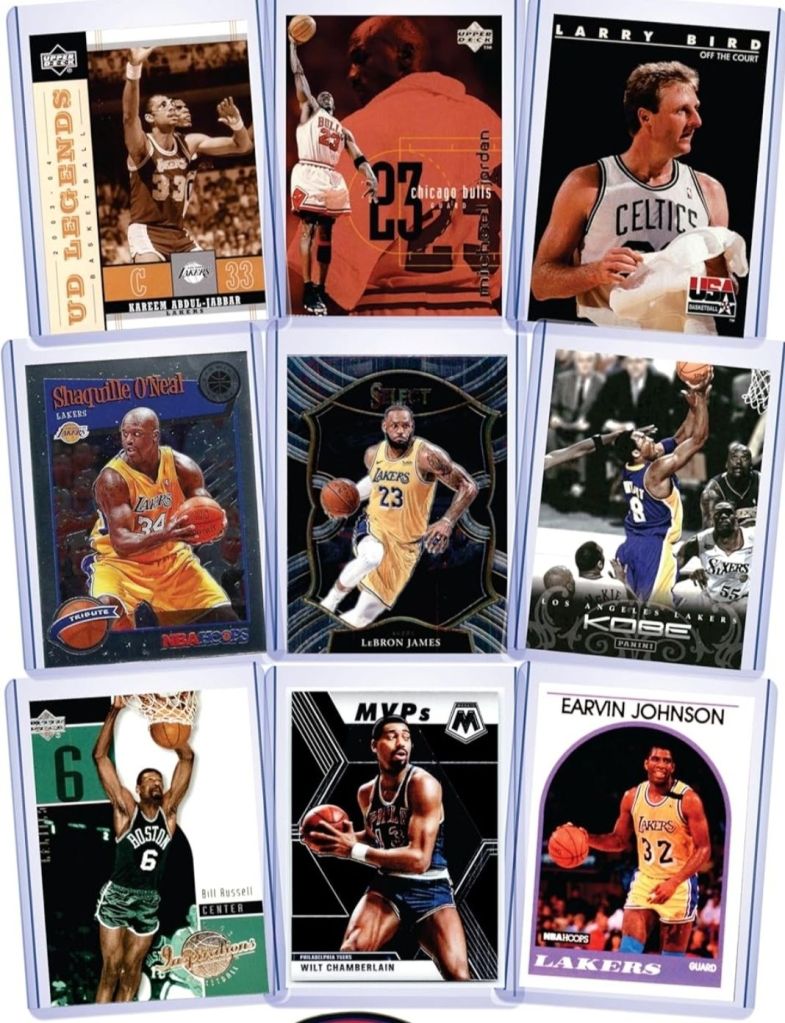
You Can Only Pick Two…Who You Got???

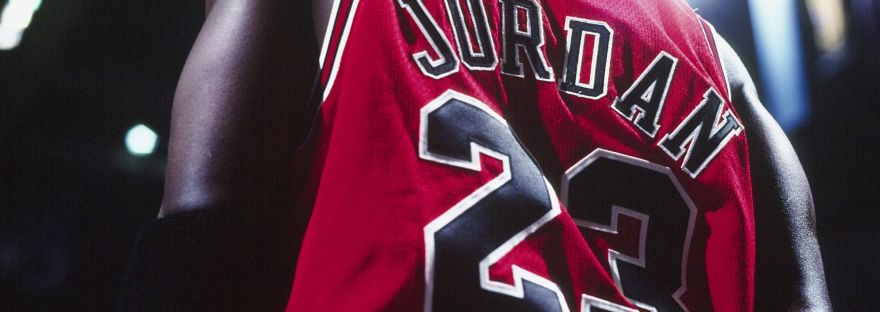
Put your GM hat on. If you had the choice to start a team with two of these all-time greats, which two would you pick and why? Drop your answer and explanation in the comments section.

Who’s the Best Quarterback in the NFL Right Now? Let’s Debate!

Quarterback is arguably the most scrutinized and celebrated position in football. Every throw, every decision, and every game can make or break a legacy. With so much talent in the league today, the question arises: who is truly the best quarterback in the NFL right now?

The Contenders

  • Patrick Mahomes (Kansas City Chiefs) – Known for his jaw-dropping arm talent, improvisational skills, and ability to perform under pressure. He’s already a Super Bowl champion and league MVP. But can anyone keep up with his highlight-reel plays week in and week out?
  • Joe Burrow (Cincinnati Bengals) – The Bengals’ signal-caller has risen to elite status with pinpoint accuracy and cool-headed leadership. Burrow commands a fast-paced offense and has led his team deep into the playoffs consistently.
  • Jalen Hurts (Philadelphia Eagles) – Hurts brings a dynamic dual-threat skill set that keeps defenses on their heels. His combination of rushing ability and improving passing game makes him a true matchup nightmare.
  • Josh Allen (Buffalo Bills) – Allen combines size, arm strength, and athleticism like few others. He can extend plays, make impossible throws, and terrorize defenses both in the air and on the ground.
  • Other Notables – Justin Herbert, Lamar Jackson, and Trevor Lawrence are also in the conversation, each bringing unique strengths and star potential.

What Makes a QB “The Best”?

Is it stats? Playoff wins? Leadership and intangibles? Or a mix of all three? Some fans prioritize clutch performances, others consistency over the long season. And then there’s the X-factor—those highlight plays that make you jump out of your seat.

The Debate Starts Here

We want to hear from you, the fans.

  • Who do you think is the best current NFL quarterback, and why?
  • Do you value arm talent over mobility, experience over potential, or playoff success above all else?
  • Can anyone dethrone Patrick Mahomes, or is the league entering a new era of multiple elite QBs?

Drop your picks, stats, and arguments in the comments. This is the ultimate QB debate, and your voice matters. Whether you’re Team Mahomes, Team Burrow, Team Hurts, or rooting for an underdog, the discussion is about to get heated.

Gridiron Dream

The whistle blows, the crowd takes flight,
Under autumn skies or Monday night.
From frozen fields to desert heat,
Eleven hearts, one goal to beat.

The roar of fans, the clash of pads,
The highs so sweet, the lows so bad.
Heroes rise and legends fall,
On painted grass, they give their all.

From rookies fresh with dreams to chase,
To grizzled vets who’ve set the pace,
Each yard hard-earned, each inch a fight,
Beneath the glare of stadium light.

And when the clock ticks down to none,
One team will stand, the war well-won.
A silver prize, the Lombardi gleam—The ultimate gridiron dream.

Is Jerry Jones About to Fumble Micah Parsons?

Micah Parsons says he’s done waiting. The Cowboys’ defensive superstar has requested a trade after contract talks went nowhere—talks that reportedly left his agent out and turned personal behind closed doors.

Parsons wants $200 million, which would make him the highest-paid non-QB in NFL history. Jerry Jones? He’s not budging, insisting Parsons honor his $24 million deal for 2025 and hinting he might franchise tag him in 2026.

So here’s the question:

  • Pay the man now and lock in a generational talent for the next decade?
  • Or hold the line and risk losing the most dominant defender Dallas has had since DeMarcus Ware?

With 50+ sacks in 63 games, Parsons is the engine of the Cowboys’ defense. Letting this turn into another drawn-out Dallas drama could cost more than money—it could cost a Super Bowl window.

Where do you stand—pay him or play hardball?

Michigan Hit with Historic Sign-Stealing Penalties

The NCAA has dropped the hammer on Michigan football, issuing one of the largest financial punishments in college sports history for its 2023 sign-stealing scandal.

The Wolverines avoided a postseason ban but were fined over $20 million, hit with scholarship cuts, recruiting restrictions, and four years of probation. Head coach Sherrone Moore will serve a three-game suspension and faces a two-year show-cause order, while former coach Jim Harbaugh received a 10-year show-cause, effectively keeping him out of college football until 2038. Former staffer Connor Stalions, the scheme’s alleged ringleader, got an eight-year show-cause.

Investigators say Michigan ran a multi-year, in-person scouting network that filmed opponents’ sideline signals in over 50 games. Evidence destruction and non-cooperation from staff worsened the penalties.

Michigan calls the ruling flawed and plans to appeal, but the scandal leaves a lasting mark on its championship legacy—and raises big questions about how far programs will go to win.

Was the punishment fair? Let me know what you think. Drop your thoughts in the comments.

Broadway Grit: Game Two

A Poetic Tribute to the Knicks Game 2 Victory

In Boston’s house, beneath bright light beams,
The Celtics dreamed their usual dreams.
Up twenty strong, the Garden roared—
But grit and heart can’t be ignored.

The Knicks, unfazed by hostile sound,
Chipped away, each quarter, a little ground.
With every board and hustle play,
They turned the tide and stole the lead away.

Josh Hart, a lion, fierce and bold,
His 23 made events unfold.
Brunson danced through traps and schemes,
His late free throws revived the dreams.

Then Bridges soared—a silent knight,
Fourteen in the fourth, all fight.
A final steal, like Broadway’s close,
He snatched the script and sealed the show.

Towns stood tall, rebounds in hand,
A double-double, firm and grand.
Together strong, they would not break,
New York balled out, for glory’s sake.

The Garden awaits, the crowd will roar,
As 2–0 tilts the tug-of-war.
From Boston’s pride, the crown they pry
The Knicks, they fight, they will not die.

And Then There Were 8…

As we began the 2nd round of the 2025 NBA Playoffs and inch ever closer to Finals, we are curious to see who our readers think will win it all!!!

LET your voice be heard. Make your pick in the poll below!

Also, feel free to back up your pick by explaining your logic in the comment section below!

End of an Era: Gregg Popovich Steps Down as Spurs Head Coach

After 29 legendary seasons, Gregg Popovich is officially stepping down as head coach of the San Antonio Spurs, closing the book on one of the most storied coaching careers in NBA history. Though he’s stepping away from the bench, Popovich isn’t leaving the game entirely—he will continue serving as the team’s president of basketball operations.

A Historic Run

When Popovich took over in 1996, few could’ve predicted the dynasty that would follow. Over nearly three decades, he led the Spurs to five NBA championships and 22 straight playoff appearances—a model of consistency and excellence. He retires as the NBA’s all-time winningest coach, with 1,422 regular-season wins and 170 playoff victories, most with a single team.

But his influence goes far beyond the stats. Popovich built a culture rooted in trust, accountability, and unselfishness. He shaped the careers of Hall of Famers like Tim Duncan, Tony Parker, and Manu Ginóbili, and inspired a coaching tree that now spans the league.

A Difficult Goodbye

Popovich’s final season took a tough turn in November 2024, when he suffered a mild stroke that forced him to take a medical leave. Assistant coach Mitch Johnson stepped in and guided the team through a rebuilding season. A second health incident in April 2025 made it clear that it was time to pass the torch.

Though the decision was bittersweet, Popovich expressed gratitude for the journey and trust in the future of the franchise. “Basketball has been my life’s work, and I’m proud of what we’ve built here in San Antonio,” he shared in a farewell statement.

Looking Ahead

The Spurs are now officially Mitch Johnson’s team. The 37-year-old coach earned the respect of players and staff alike during his interim tenure. He’ll lead a young and promising roster, headlined by French superstar Victor Wembanyama, who credited Popovich with helping shape his early NBA career.

As for Popovich, he’ll still be involved behind the scenes, helping steer the franchise from the front office. His eye for talent, mentorship, and vision will remain a vital part of the Spurs’ identity.

A Legacy Like No Other

Gregg Popovich redefined what it means to be a coach—not just in wins, but in how he challenged players to grow as people. He was a voice of leadership both on and off the court, known for his humor, candor, and unwavering principles.

The game won’t be the same without him on the sidelines, but his fingerprints will be all over the league for years to come. One era ends, but Popovich’s legacy continues.

What do you think of Coach Pop calling it quits? Let me know in the comment section below.

The Day Tennis Changed: Monica Seles and the Tragedy That Shook the Sport

The Day Tennis Changed: Monica Seles and the Tragedy That Shook the Sport
April 30, 1993, is a date forever etched in the history of tennis. What should have been an ordinary day on the court became a moment that altered the life of one of the sport’s brightest stars—Monica Seles.

The Shocking Attack
During a quarterfinal match in Hamburg, Germany, 19-year-old world No. 1 Monica Seles was sitting on a courtside bench when a man lunged from the stands and stabbed her in the back with a nine-inch knife. The attacker, Günter Parche, was a mentally unstable fan of Steffi Graf. His motive? To eliminate Seles from competition so Graf could reclaim the No. 1 ranking.

The Aftermath and Trauma
While the physical wound healed within weeks, the emotional scars lingered. Seles was forced into a two-year break from tennis, battling post-traumatic stress and depression. She later admitted that the fear of another attack haunted her, making it nearly impossible to return to the game with the same focus and intensity.

A Career Cut Short
At the time of the attack, Seles had already captured eight Grand Slam titles and had overtaken Graf as the top player in the world. Many believed she was on track to become the greatest of all time.

Though she returned to professional tennis in 1995 and won the 1996 Australian Open, she was never quite the same. Her dominance waned, and while she remained a fan favorite and a fierce competitor, her peak years had been stolen.

A Legal and Security Failure
In a shocking legal outcome, Parche was found guilty but received a suspended sentence. He never served prison time. The decision sparked outrage and highlighted the lack of legal protections for athletes.

The attack prompted sweeping changes in security measures at sports venues. Tennis tours, in particular, became more vigilant about player protection—a change long overdue.

Monica Seles’ Enduring Legacy
Despite the tragedy, Seles’ courage and resilience have inspired generations. She finished her career with nine Grand Slam titles and was inducted into the International Tennis Hall of Fame in 2009. Today, she is also known for her advocacy around mental health and healing from trauma.

Final Thoughts
Monica Seles’ story is not just one of brilliance on the court but also of strength in the face of unimaginable adversity. Her legacy serves as a powerful reminder of the vulnerabilities faced by public figures—and the incredible resilience of top-notch athletes.

Rep Yo’ City

Who’s the Greatest Sports Legend from Your Town?

Every town has its legends — those athletes who rise above the rest and make an unforgettable impact on their community, their sport, and often, the world. From basketball courts to race tracks, football fields to baseball diamonds, there’s always someone who stands out as the cream of the crop

But here’s the question: who’s the greatest sports figure from your Town?

Is it the basketball star who dominated the NBA or college basketball, the track-and-field icon who made history, or perhaps a football or baseball legend whose name is known across the country? Maybe it’s a coach whose influence on the game and young athletes was unmatched. We all have our local heroes — those athletes who have inspired us with their talent, hard work, and success.

So, we want to hear from you!

Drop a comment below and share who you think is the greatest sports legend from your neck of the woods. Let’s celebrate the athletes who’ve put our cities on the map!

32 Year Old Attempts College Basketball Comeback…Yes, This Is Really Happening!


Janae Jackson: The Unexpected Return of a College Basketball Hooper

Janae Jackson’s name may not ring any bells in your mind, but her recent reappearance in college basketball headlines has sparked curiosity and conversation. Nearly a decade after she last suited up for an NCAA team, the former baller has entered the transfer portal — signaling a potential return that’s as surprising as it is symbolic of the changing times in college athletics.

A Star from Detroit

Born in Virginia and raised in Detroit, Michigan, Jackson made a name for herself early on at Inkster High School. Known for her toughness and versatility, she earned all-state honors and helped lead her team to a Michigan Class A State Championship during her senior year. Averaging a double-double and serving as team captain, Jackson’s high school success set the stage for a promising collegiate career.

College Career: A Journey of Resilience

Jackson began her NCAA journey at Northern Illinois University in 2011, where she played sparingly as a freshman. Seeking a better fit, she transferred to Youngstown State University. Due to NCAA transfer rules at the time and a serious injury, she didn’t return to the court until the 2014–15 season.

Over the next two years, Jackson became a key contributor for the Penguins. As a senior in 2015–16, she started the majority of games and averaged over nine points and six rebounds per game. Her most memorable performance came in the Horizon League Tournament, where she logged 24 points and 15 rebounds — including a game winner in the closing seconds.

Fighting For a Comeback

But in April 2025, Jackson stunned the college basketball world by entering the NCAA transfer portal — nearly nine years after her last game. The move came amid shifting NCAA rules and ongoing legal challenges, such as the House v. NCAA case, which may open new doors for former players who lost eligibility due to past transfer rules or injuries.

A Symbol of a Changing Era

Jackson’s situation highlights the evolving landscape of college sports, where eligibility is no longer set in stone and players have more agency than ever before. If granted another year to play, she wouldn’t just be making a comeback — she’d be making history.

Whether Jackson ultimately returns to the court or not, her reappearance serves as a powerful reminder: College basketball is changing!

The Refs are Ruining the NBA Playoffs!

Are Referees Ruining the 2025 NBA Playoffs?

The NBA Playoffs are always a time of heightened intensity, incredible performances, and dramatic moments. However, this year, the conversation has been just as much about officiating as the action on the court. Several high-profile mistakes have many fans, players, analysts, and Me asking: Are the refs ruining the 2025 NBA Playoffs?

One of the most talked-about incidents occurred during Game 4 of the Lakers vs. Timberwolves series. In a crucial moment with just 33 seconds remaining, Minnesota’s Jaden McDaniels tripped Luka Dončić. Shockingly, no foul was called. The NBA later acknowledged the missed call in its Last Two Minute Report. This error was pivotal, as it denied the Lakers an opportunity to tie the game, ultimately leading to a 116-113 loss. (Source: Silver Screen and Roll)

Similarly, in the Pistons vs. Knicks matchup, Detroit fans were left frustrated after a controversial ending. With the Pistons trailing by one point, Tim Hardaway Jr.’s three-point attempt was clearly contested by the Knicks’ Josh Hart in a way that should have resulted in a foul call. No whistle came. Referee David Guthrie later admitted the mistake, noting that Hardaway should have been awarded three free throws, which could have changed the outcome of the game. (Source: The Sun)

These critical mistakes have fueled discussions not just about individual games but about the overall direction of NBA officiating. Former Mavericks owner Mark Cuban voiced his concern, highlighting that the increased physicality allowed by referees could negatively influence how teams are built in the future. If physical play is rewarded, skill-based rosters may be devalued. (Source: New York Post)

On forums like Reddit, fans argue that the playoffs are almost “a different sport,” officiated under looser standards compared to the regular season. This inconsistency not only confuses players and fans but also risks the perception of fairness that is vital for the NBA’s credibility. (Reddit Discussion)

To their credit, the NBA has shown transparency by admitting officiating mistakes publicly. However, acknowledging errors doesn’t undo their impact. A missed foul in the final seconds of a playoff game can change the course of a series!

As we move deeper into the 2025 Playoffs, the hope is that officiating becomes less of a storyline. Basketball fans want to celebrate clutch shots, strategic brilliance, and star performances — not debate missed calls. For the integrity of the game, and for the sake of the players who pour everything into this competition, consistency and fairness from officials are more important than ever.

What do you think? Are the refs wrecking the playoffs? Share your opinion in the comments.

Why I Love the NBA Playoffs!

Why Do I Love the NBA Playoffs???

There’s just something different about playoff basketball. As soon as the regular season wraps up, the atmosphere shifts. The intensity cranks up, the margin for error disappears, and every game becomes a battle.

It’s not just about the big names or highlight plays—it’s about passion, grit, and heart. You see teams fighting for every possession like it’s the last. Stars rise to the moment, role players become game-changers, and coaches dig deep into their strategies to outmaneuver each other in seven-game chess matches.

What really pulls me in are the stories. Whether it’s a young team making their first deep run, a veteran chasing that elusive ring, or a player silencing the critics with a breakout performance—every series has its own drama. And let’s be honest, there’s no feeling quite like a Game 7. The tension, the crowd, the clutch moments—it’s basketball at its absolute peak.

I love how the playoffs bring out the raw emotion of the game. From buzzer-beaters and comebacks to heartbreak and triumph, it’s a rollercoaster ride that grips you from start to finish.

Why do you love the NBA Playoffs?

Drop your thoughts in the comments section.

Travis and Shadeur-Imortalized in Boulder!

April 19, 2025 will be forever remembered by Colorado students, fans, and haters alike! On this day, the university took the bold step of retiring Travis Hunter and Shedeur Sanders’ jerseys. Since the retirement was announced a couple of weeks ago, social media and sports talk platforms have been on 🔥.

Travis Hunter? No one’s arguing that one. That man is different. Played like a human cheat code—offense, defense, didn’t matter. He won the Heisman, snatched awards like he was collecting Infinity Stones, and made SportsCenter Top 10 look like his personal highlight reel. Retiring his jersey? That’s a no-brainer. Folks are like, “Give him a statue while you’re at it.” (Not Really)

Now Shedeur Sanders… that’s where things get a little spicy. He put up solid numbers—over 7,000 passing yards, 64 TDs, and a completion percentage so high it looked like he was playing Madden on rookie. But here’s the thing—the team went 13–11. No Pac-12 titles, no bowl wins, nothing major in the trophy case. So a lot of fans are like, “Hold up… they retiring jerseys for two solid seasons now?”

It doesn’t help that he’s Coach Prime’s son! People are out here screaming “nepotism” like it’s a new chant. Deion clapped back, of course, basically saying, “Y’all hating ‘cause it’s us.”

Also, this is the first time in CU history they’ve retired numbers while the players are still playing. That’s bold!

What do you think? Should they have waited until these fellas were retired from the NFL?

Jimmy Butler to Golden State!

ESPN and other outlets are reporting that the Miami Heat are finalizing a deal to send Jimmy Butler to the Golden State Warriors for Andrew Wiggins, Dennis Schroder, Kyle Anderson and a protected first-round pick!

Courtesy of Basketball News Instagram Page

Butler has reportedly agreed to a new two-year deal worth $121 million dollars. Does this trade make the Warriors a contender? Let me know what you think in the comments section.