
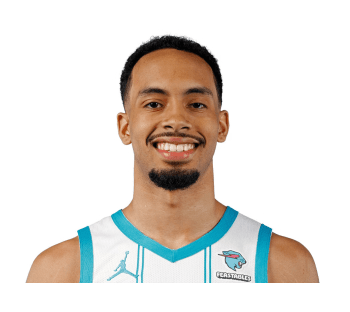
In one of the more unusual twists in modern college basketball, Amari Bailey has taken legal action against the NCAA in an effort to regain his eligibility — after already being drafted by and playing games for an NBA team.
Yes, you read that right.
Bailey, a former five-star recruit and McDonald’s All-American, is attempting to reopen the door to college basketball despite having already taken a step into the professional ranks. The lawsuit challenges the NCAA’s ruling that prevents him from competing at the college level and raises fresh questions about how eligibility rules apply in an era where the line between amateur and professional has become increasingly blurry.
Who Is Amari Bailey?
Bailey was once one of the most talked-about guards in the country coming out of high school. A dynamic scorer with elite athleticism, he played college basketball at UCLA, where he flashed NBA-level talent and athletic upside. While his college career showed promise, it didn’t necessarily unfold in a way that cemented a long-term NBA future.
Despite that, Bailey declared for the NBA Draft and was selected in the 2nd round by the Charlotte Hornets in 2023, officially making him a professional athlele. Under traditional NCAA rules, that step alone would permanently close the door on college eligibility. To complicate matters further,
he actually appeared in 10 games for the Hornets, but spent most of his time suiting up for the Hornets G-League affiliate (the Greensboro Swarm).
Bailey, however, argues that the current structure unfairly limits his options — particularly if he wants to return to college basketball to continue developing his game, improve his draft stock, or simply play while navigating the evolving professional landscape.
Why the Lawsuit Matters
At the center of Bailey’s lawsuit is the argument that NCAA eligibility rules are outdated and inconsistently enforced. With NIL opportunities, expanded transfer freedoms, and increased legal scrutiny already reshaping college athletics, Bailey’s case pushes the conversation into entirely new territory.
If successful, the lawsuit could:
Challenge the NCAA’s authority over drafted or professional-adjacent athletes
Open the door for future players to move between college and pro pathways
Further erode the long-standing amateurism model
Bailey’s legal team is reportedly seeking immediate relief, arguing that every missed season causes real harm to an athlete’s development and earning potential.
A Bigger Signal for College Sports
Whether Bailey ultimately wins or loses, the significance of this case extends well beyond one player. It highlights the growing tension between athlete empowerment and institutional control — a tension that courts have increasingly resolved in favor of the athlete.
The NCAA has already taken major legal hits in recent years over compensation, NIL rights, and transfer restrictions. A ruling that favors Bailey would represent yet another shift away from rigid eligibility rules and toward a more flexible, player-centered system.
What Comes Next
For now, Bailey waits. The legal process will determine whether he gets another shot at college basketball — something that, until recently, would have been unthinkable for a drafted NBA player.
So what do you think? Should a player who’s been drafted by the NBA be allowed to return to college basketball? Are the NCAA’s eligibility rules protecting the game — or holding players back?
Share your thoughts in the comments and join the conversation.
Discover more from 4603sports.com
Subscribe to get the latest posts sent to your email.

 4603sports.com
this is insane
LikeLike
Dude this is weird. Sir please get a job
LikeLike